

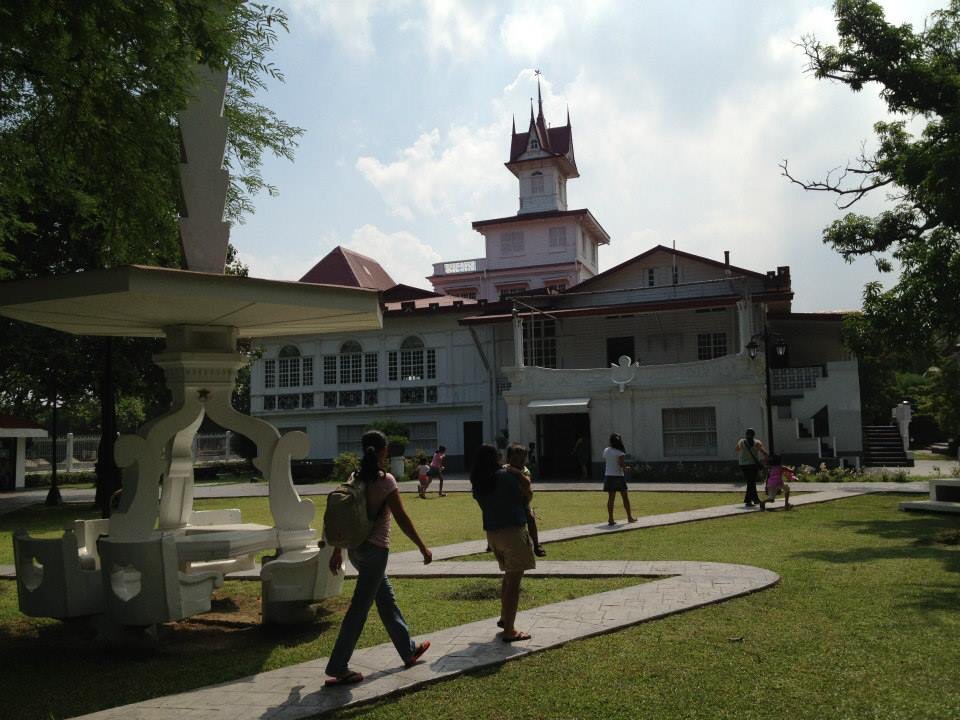
Aguinaldo Mansion played an essential role in our nation’s history. Some of the critical events in the latter part of the revolution were set here.
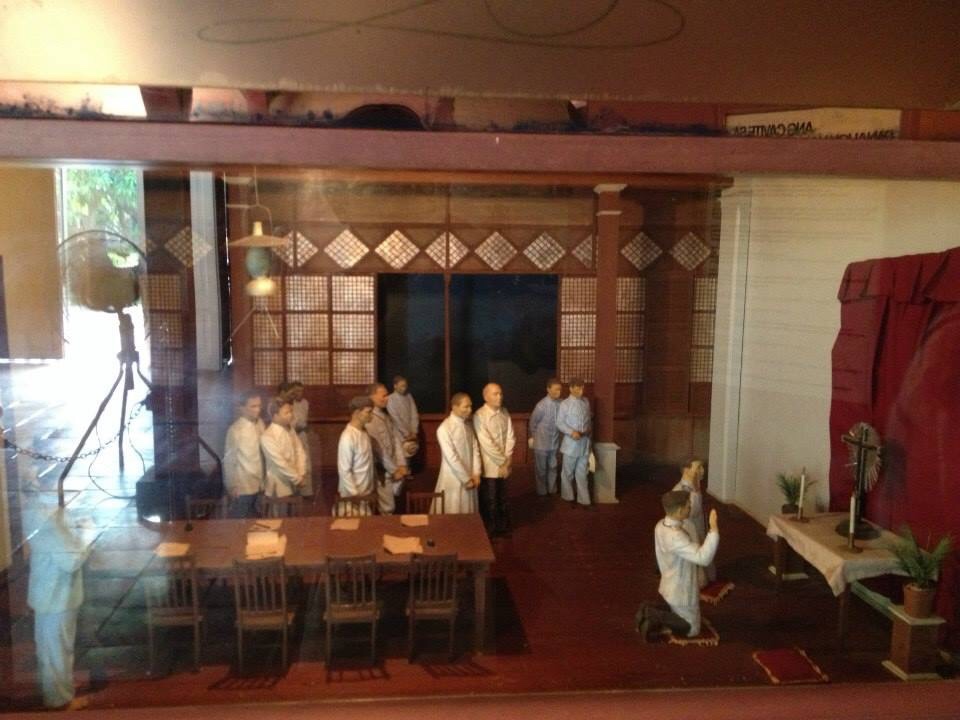
The most notable event transpired in this grandiose mansion was the Philippine Independence declaration on 12 June 1898. The proclamation took place between 4 and 5 in the afternoon, with San Francisco de Malabon Band playing Marcha Nacional Filipina, which later became known in history as Lupang Hinirang.
The Lupang Hinirang lyrcis was written by Jose Palma while its music by Julian Felipe.
The declaration of the independence, Acta De La Proclamacion de la Independencia, was written and read by Ambrosio Rianzares Bautista during the said historic proclamation.
HISTORY OF THE MANSION
The mansion was initially made of nipa, wood, thatch, and the like in 1985.
Just like any other house, the mansion, with a total land area of 4864 sqm, had gone through crucial repair and renovation.
However, after the repeal of the Sedition Act of 1907, or banning on displaying of Philippine flag in the whole archipelago, former President Emilio Famy Aguinaldo decided to renovate and expand the independence balcony, between 1919 and 1921, for the annual commemoration of Philippine Independence.
A year before his demise, General Emilio Aguinaldo donated the mansion to the government and waived off all his rights to the property in 1963.
INSIDE THE MUSEUM
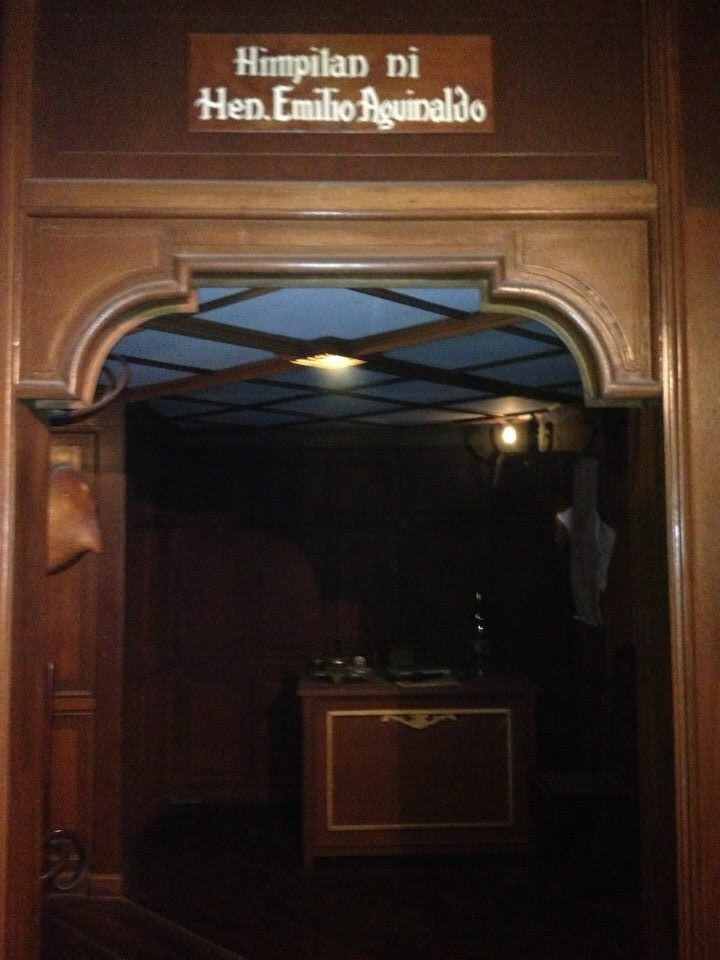
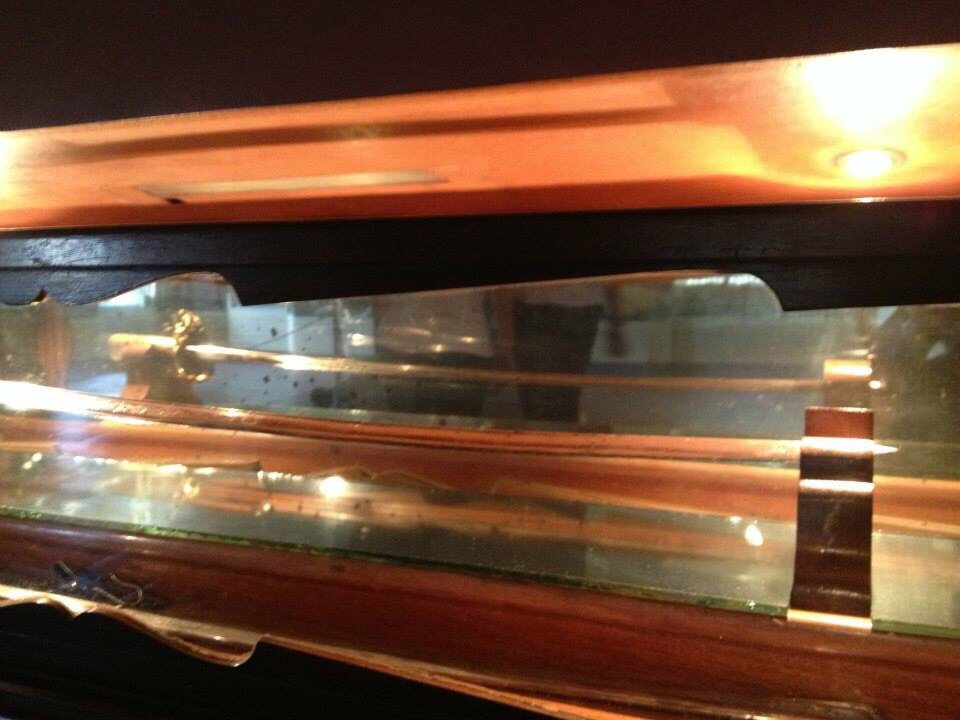
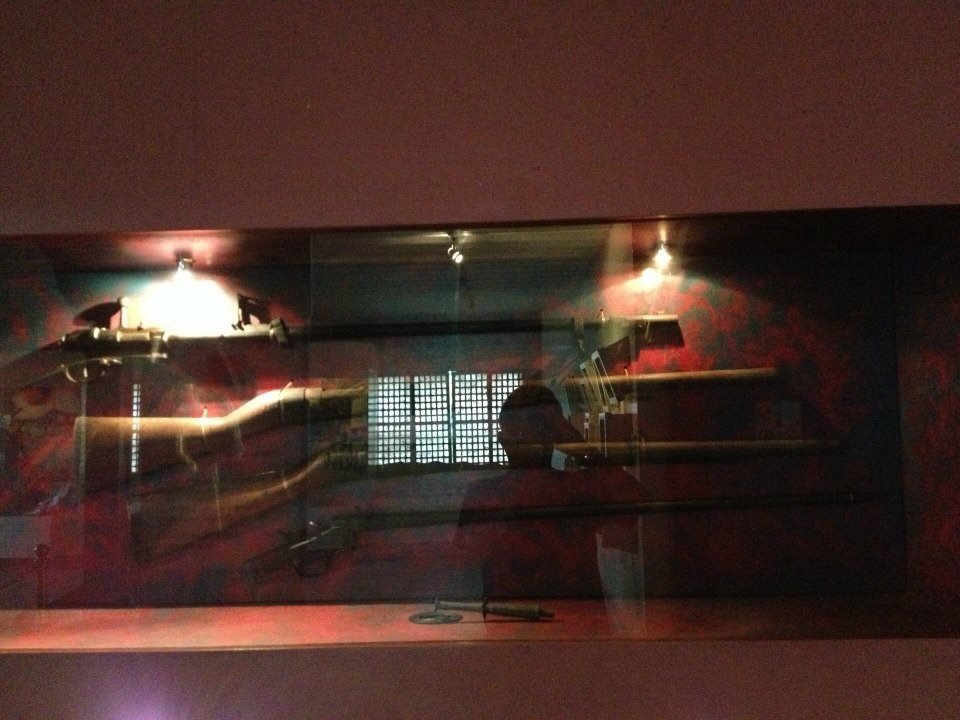
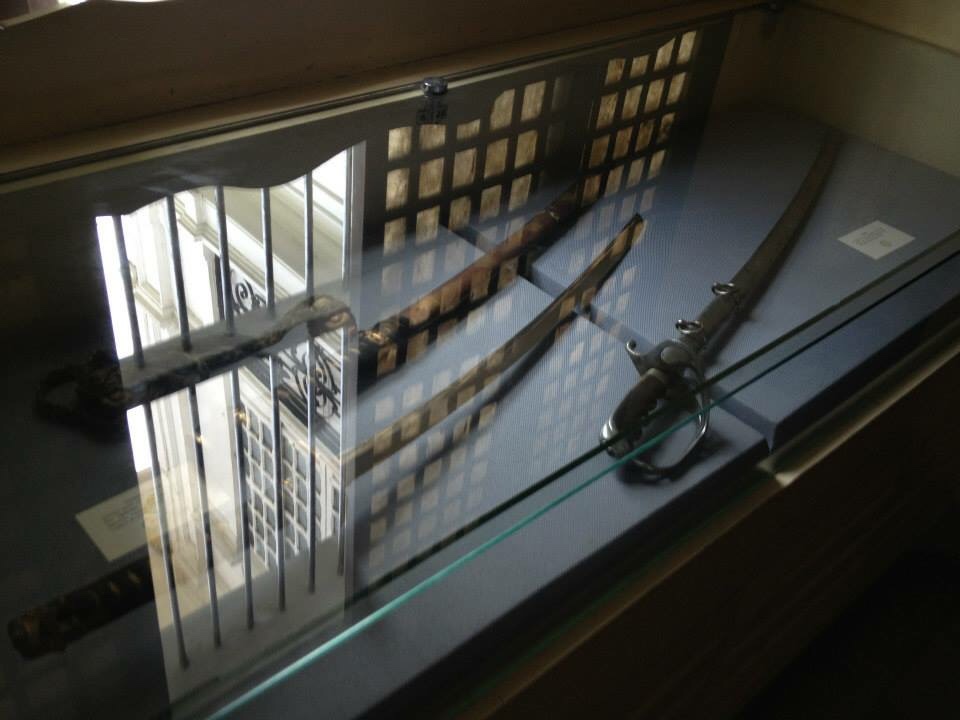
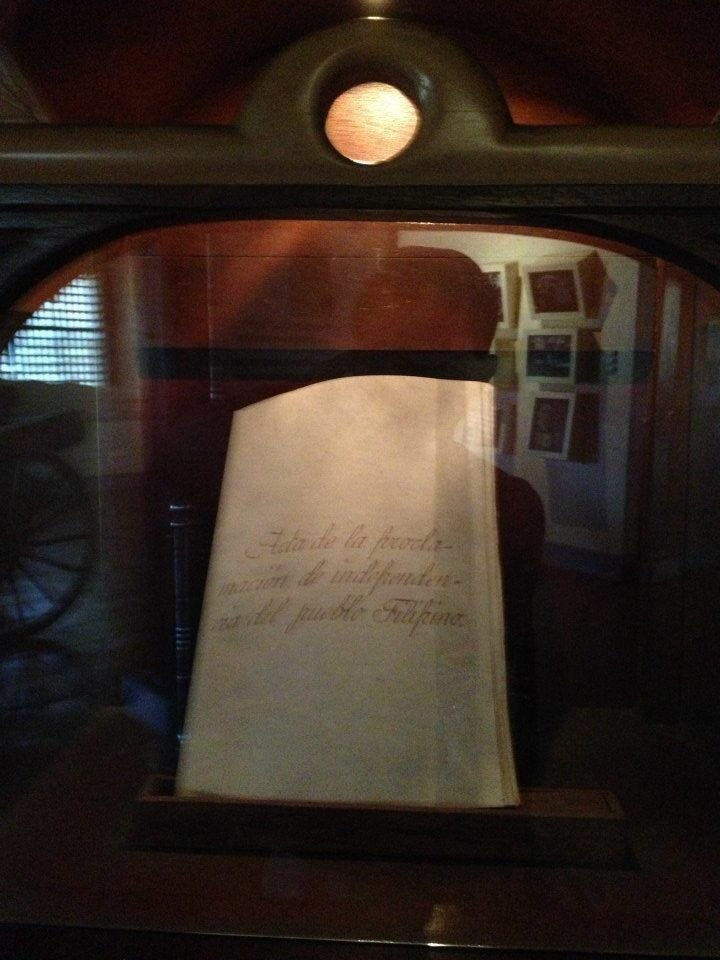
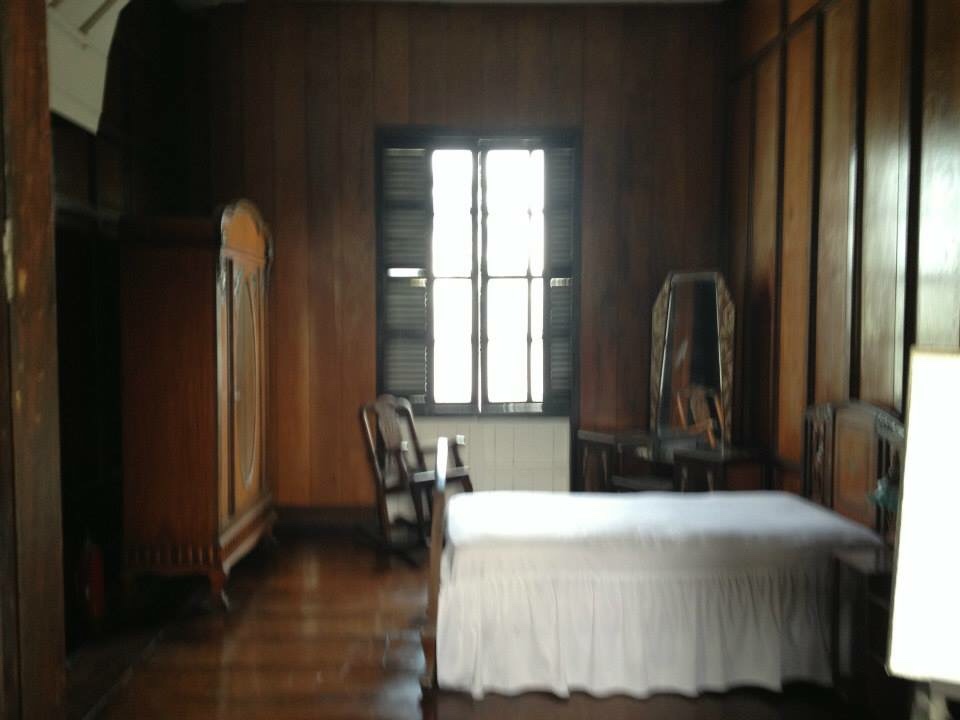
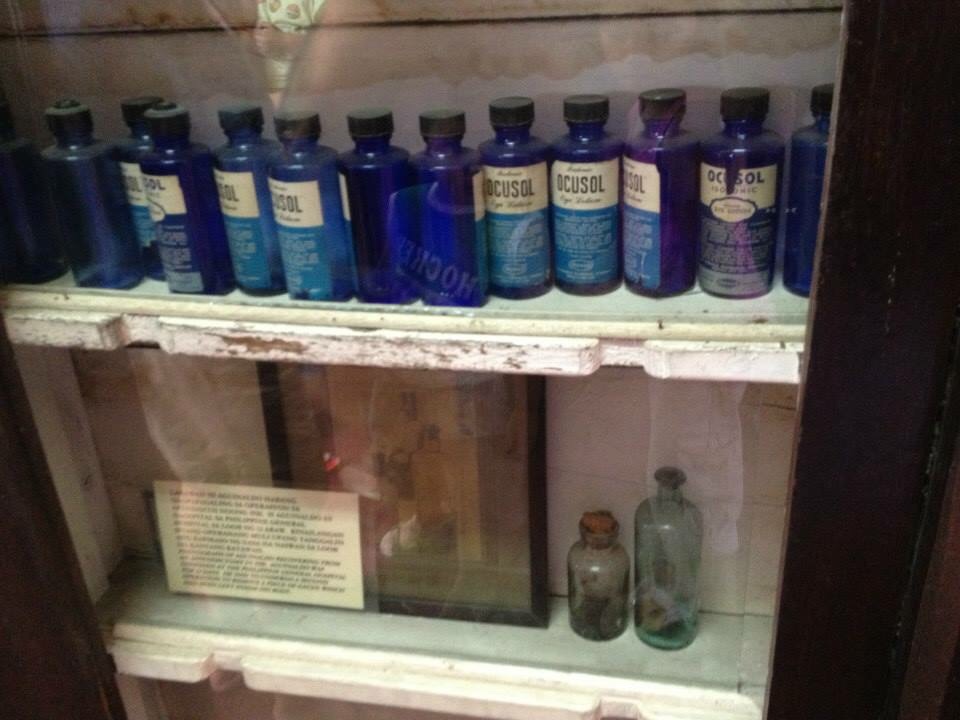
During the revolution, Gen. Aguinaldo suffered from appendicitis and cataract. His appendix was preserved in the transparent bottle below together with the gauze, while the blue bottles were used for the treatment of his cataract. According to the tourist guide, Gen. Aguinaldo was also a victim of medical malpractice during his time.
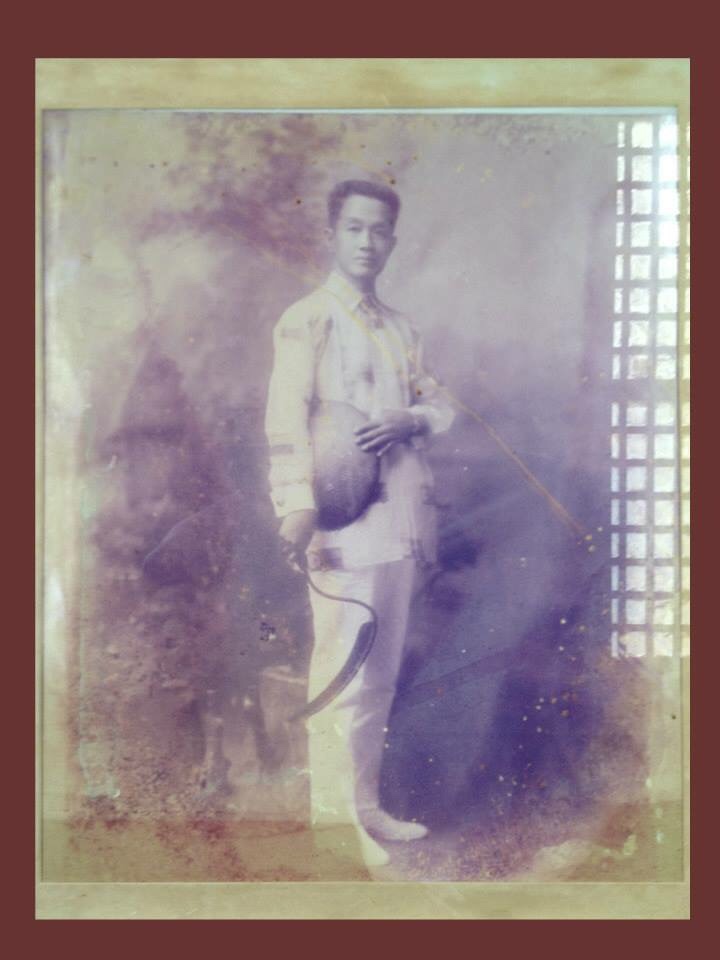
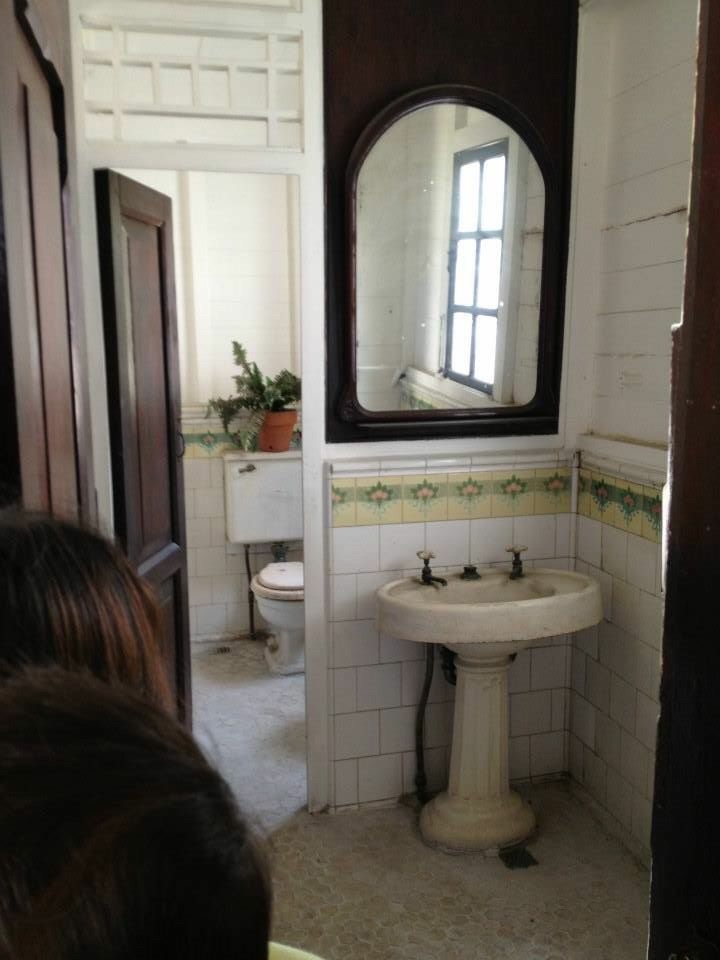
The balcony that served as the place for courting, relaxation and meeting long time ago. 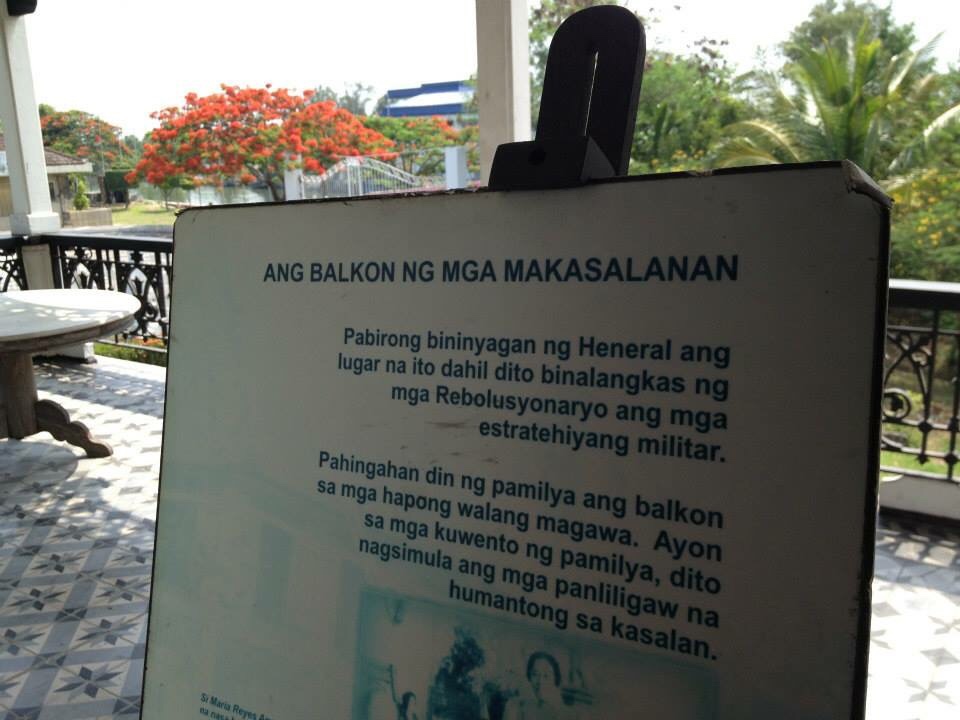
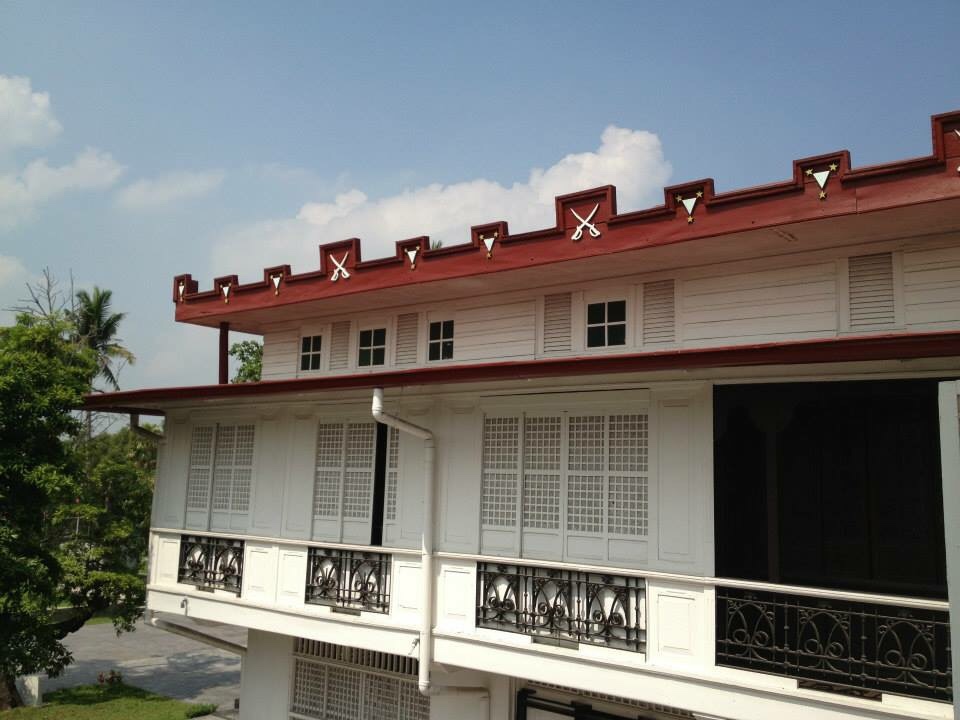
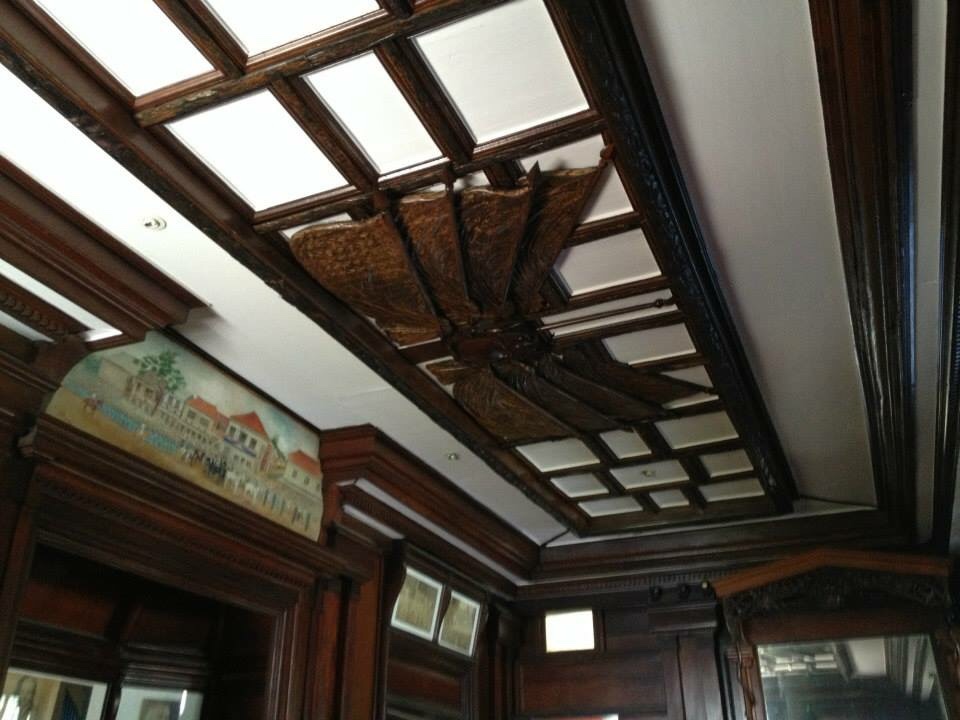
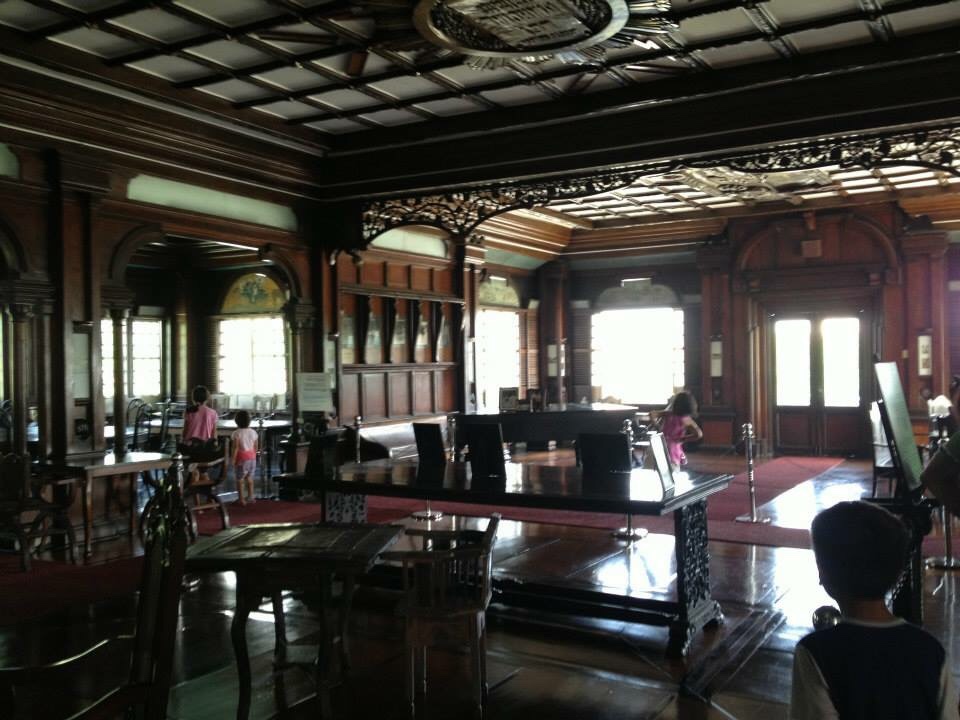
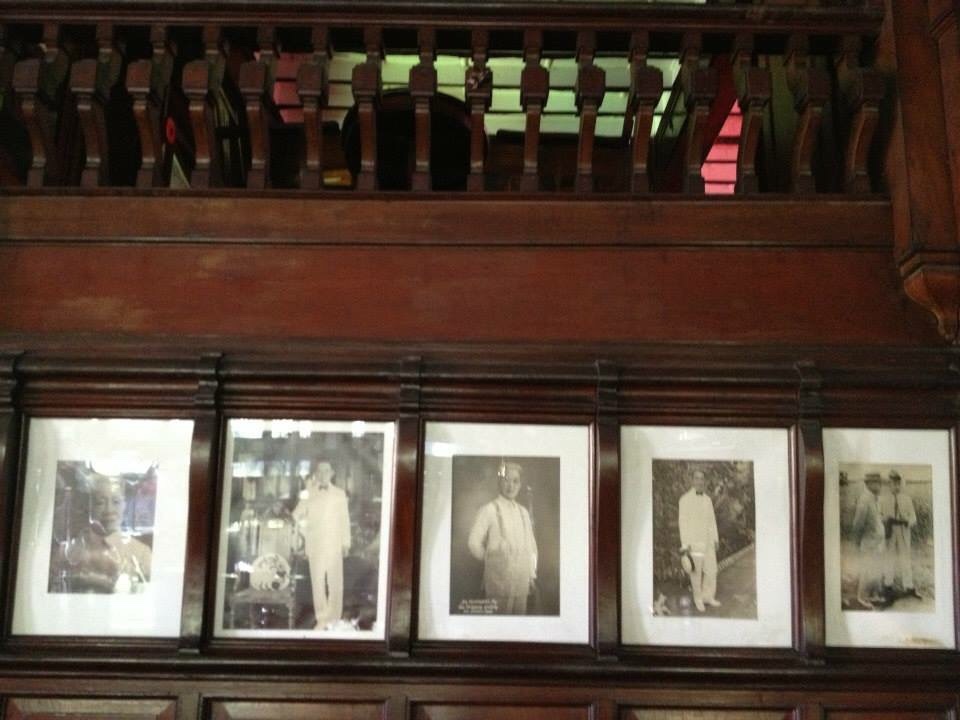


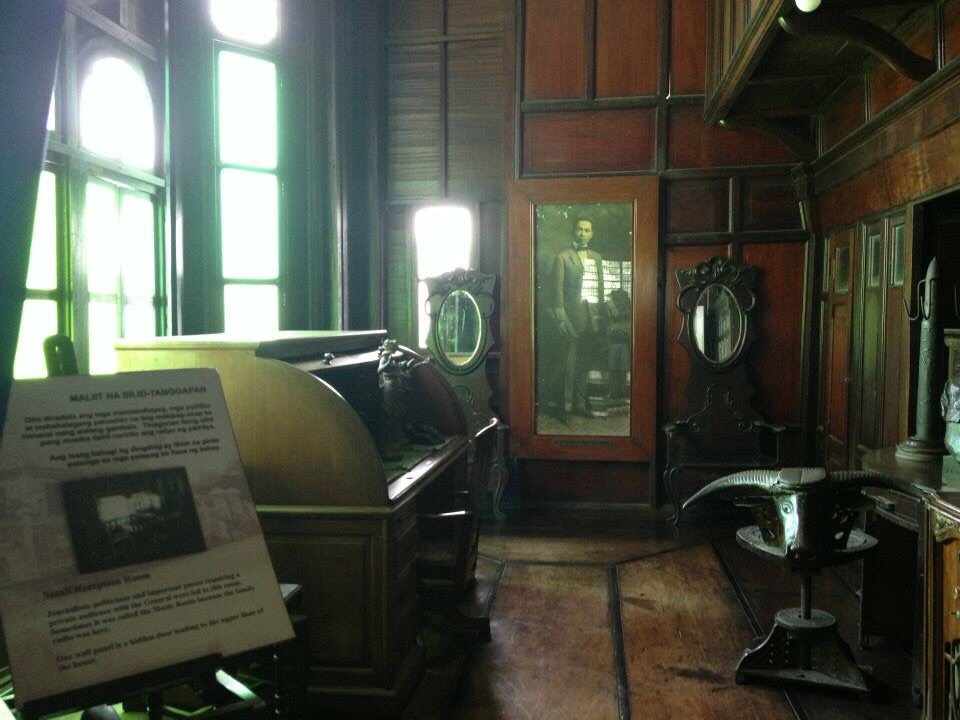
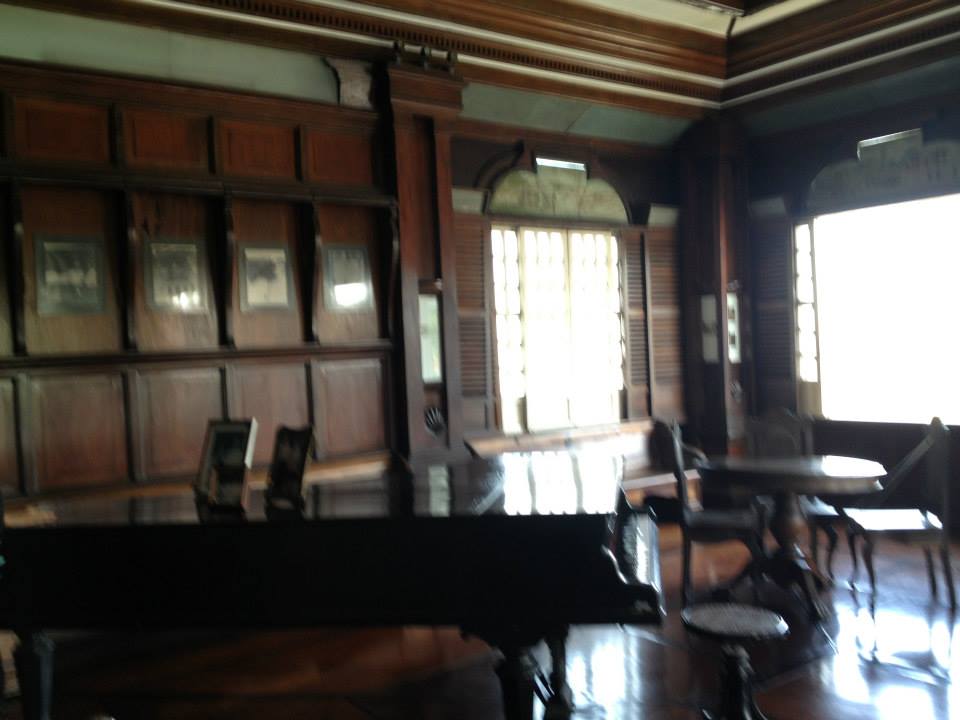
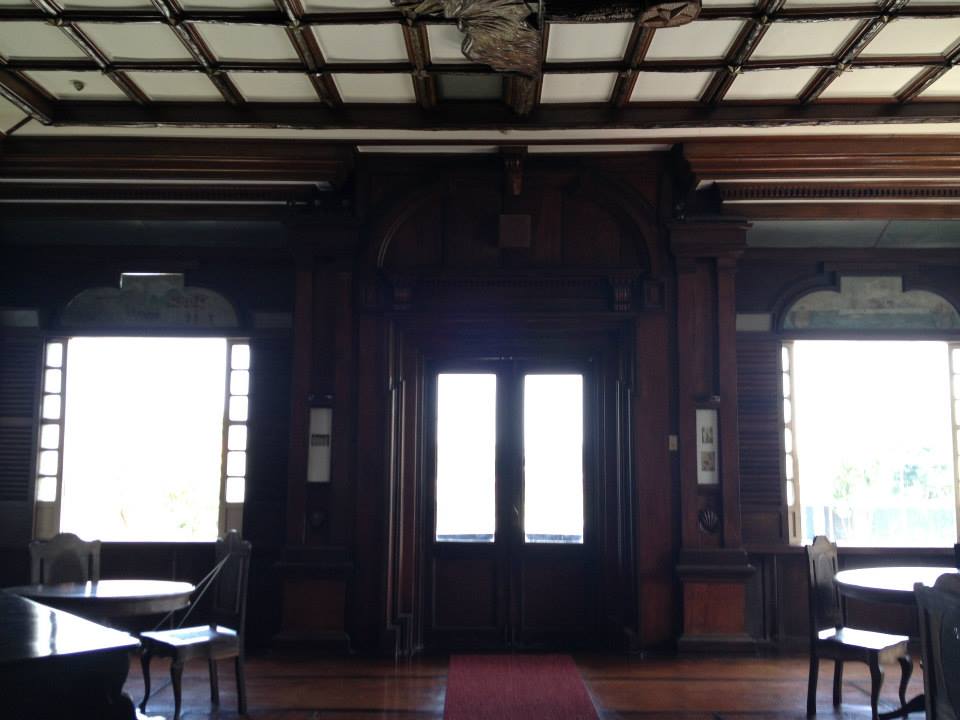
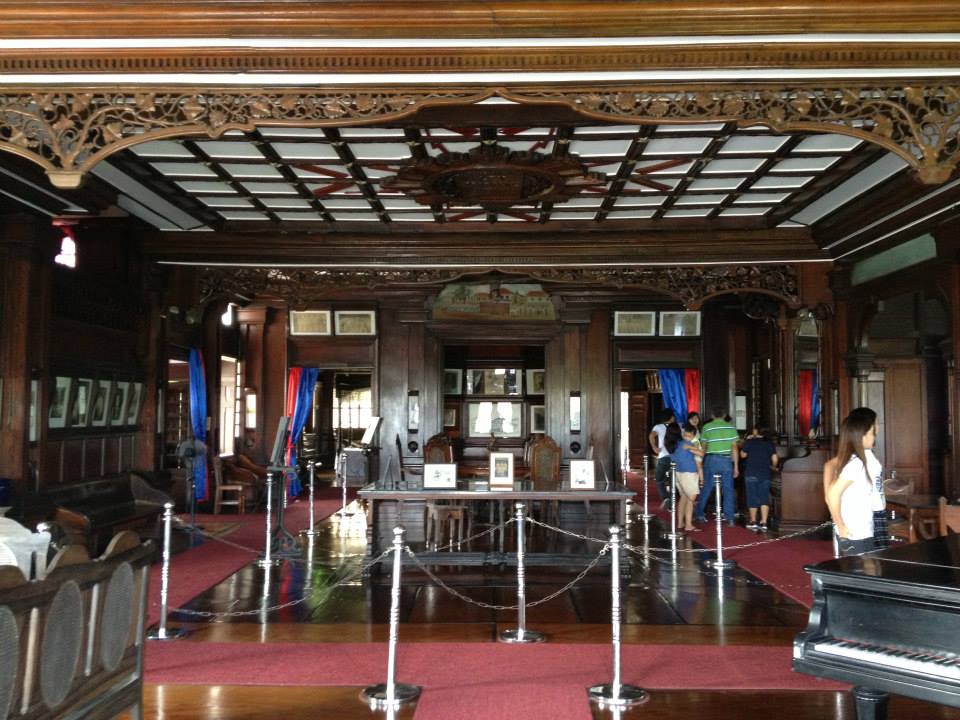
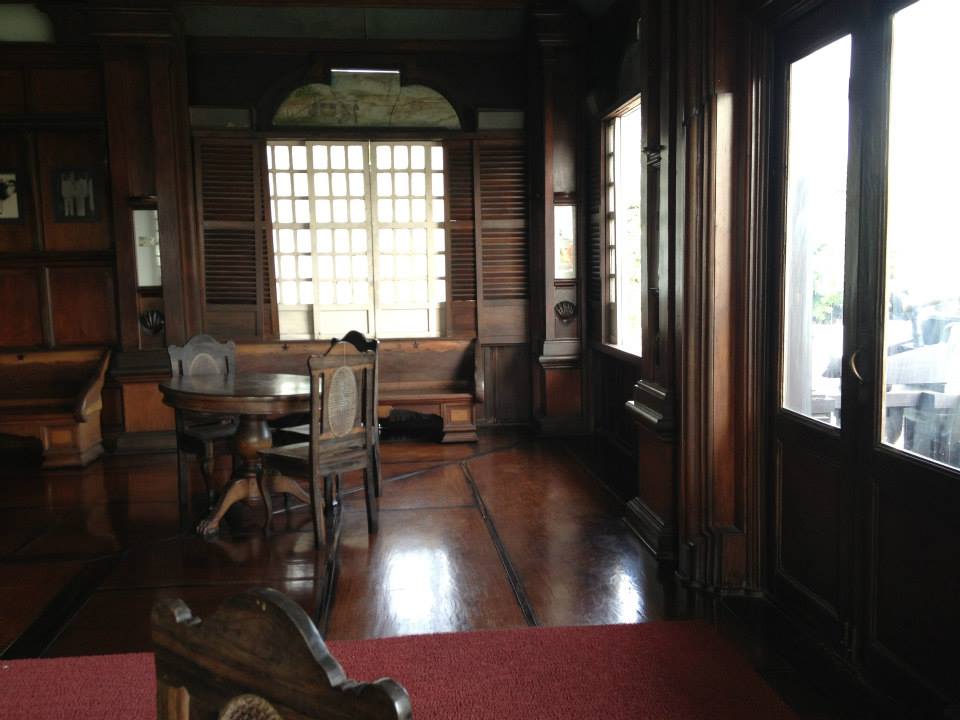
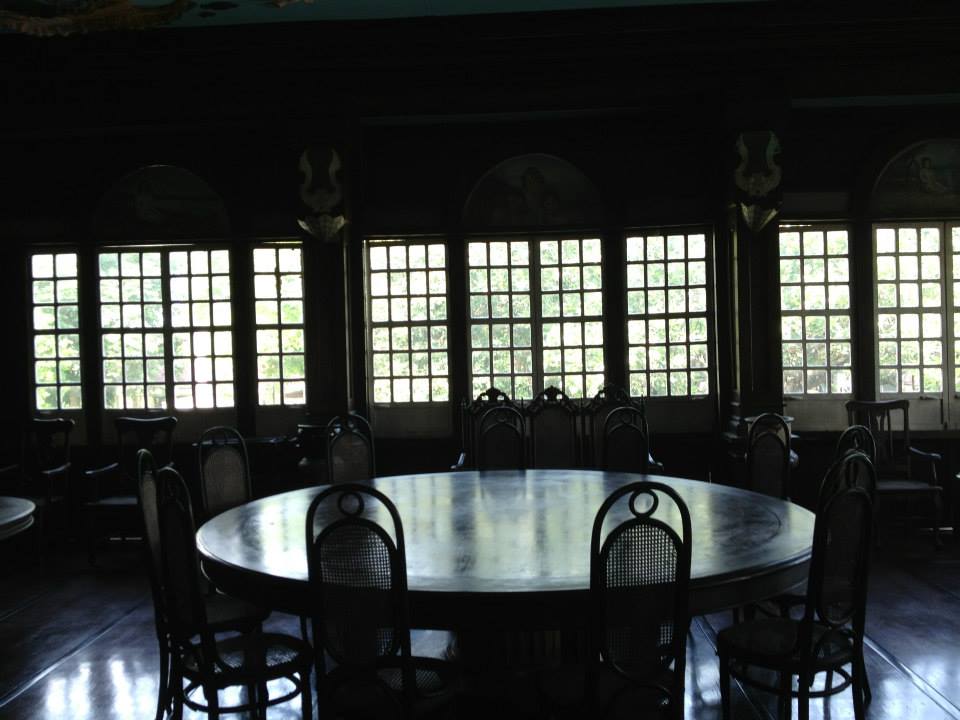
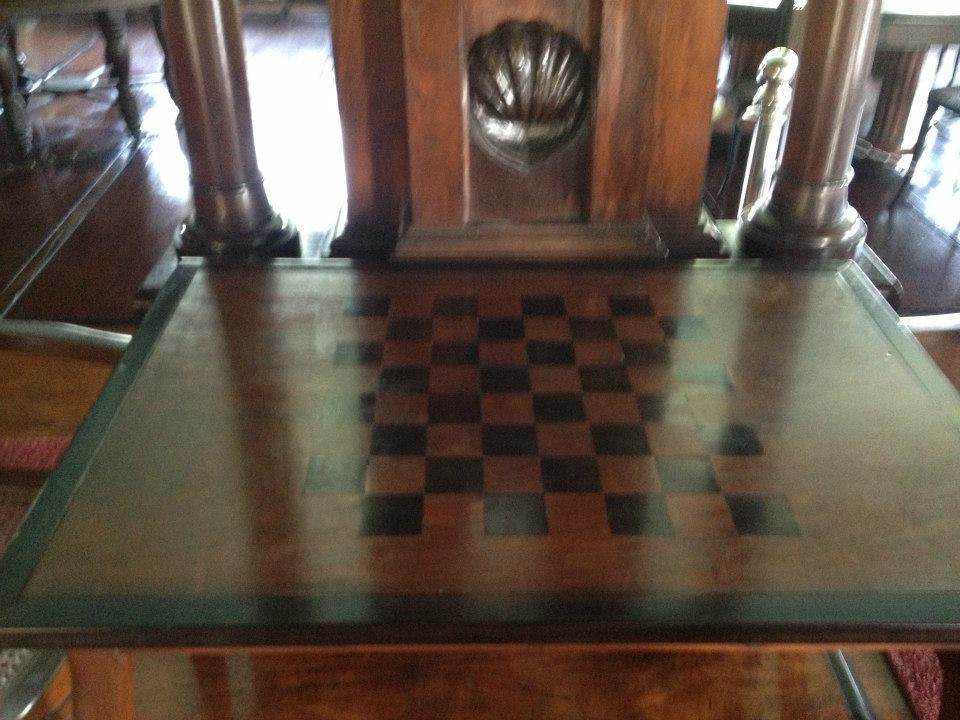
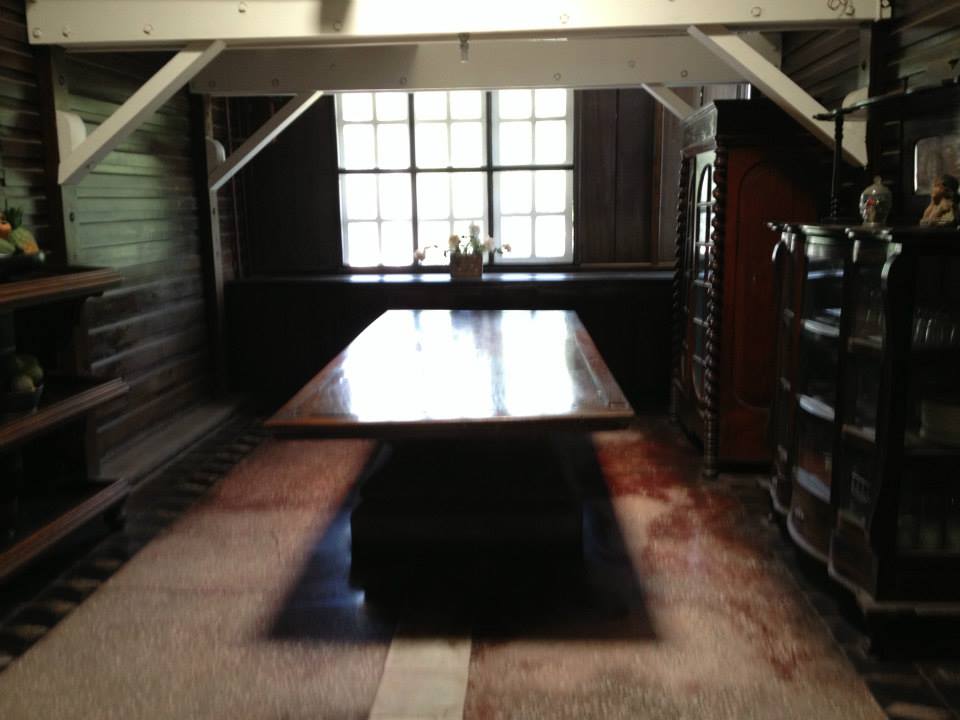
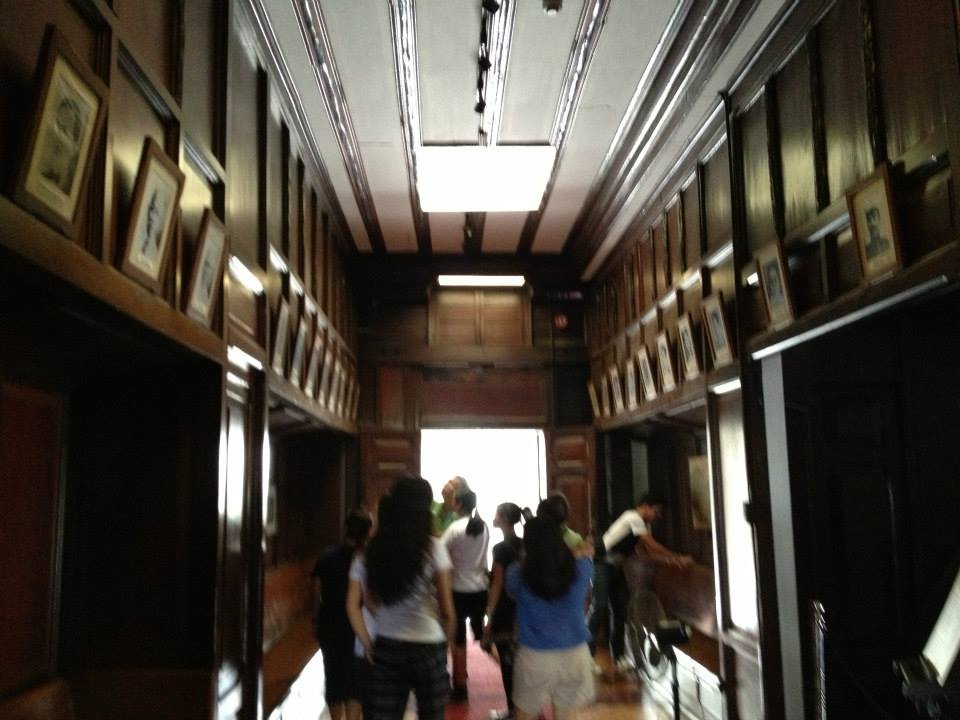
The punctilious General Emilio Aguinaldo was the one who installed and arranged the array of frames above.
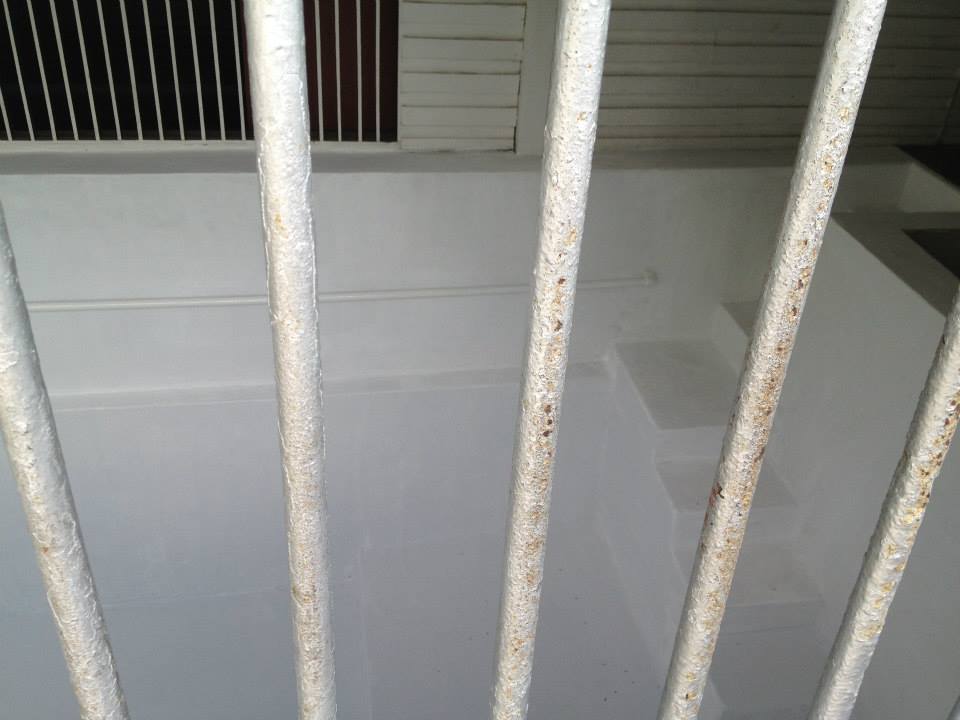
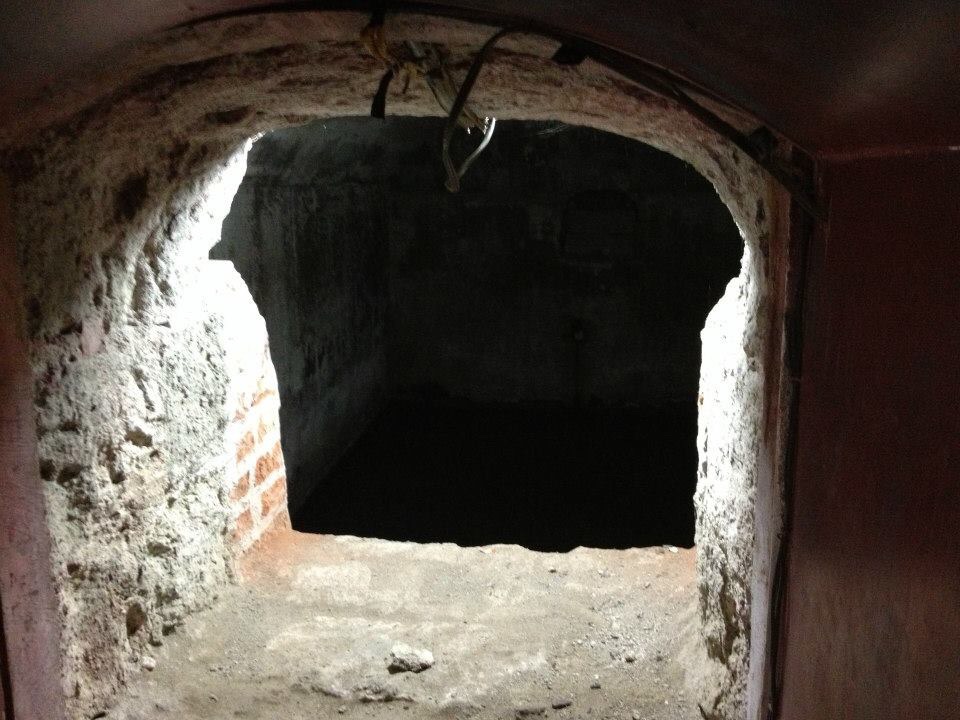
Unknown to many, the magnificent mansion also has a makeshift swimming pool for the General’s recreation.
THE TOMB OF GENERAL EMILIO AGUINALDO
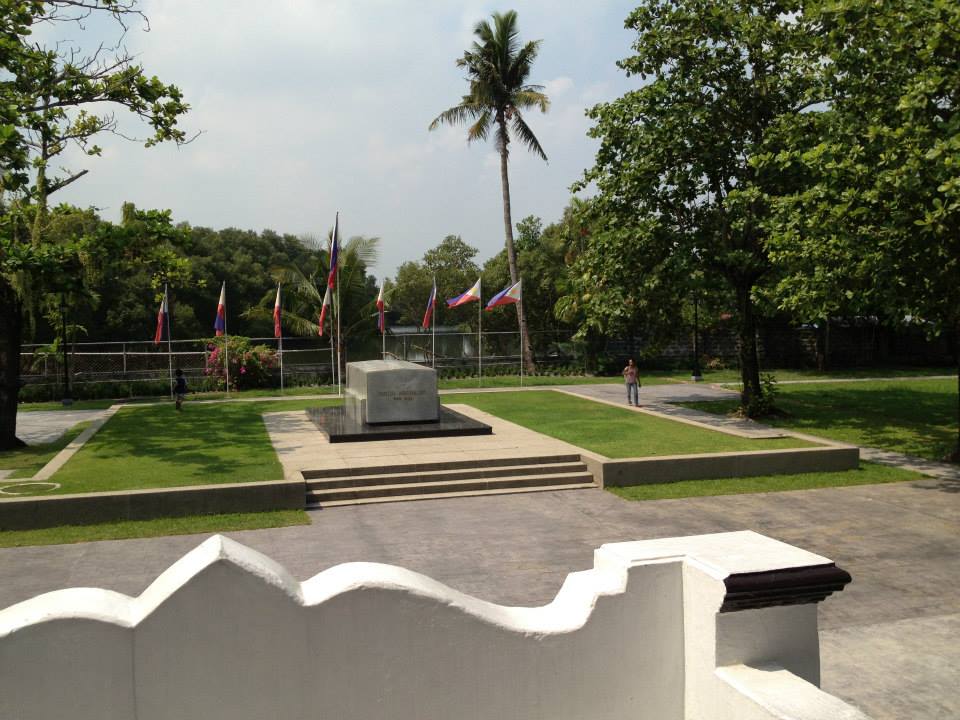
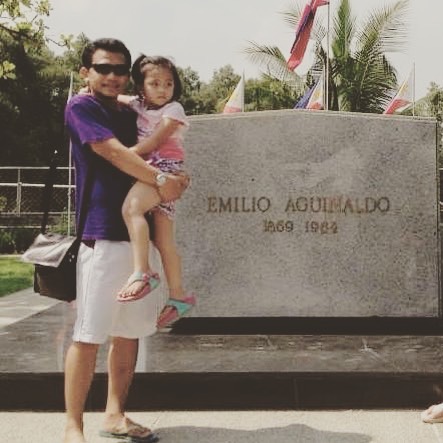
The former Philippine President died at the age of 94 on 6 February 1964, due to coronary thrombosis.
After General Emilio Aguinaldo’s demise in 1964, Aguinaldo mansion, aka the House of History, was declared a national shrine (freedom shrine) by means of RA 4039 by President Diosdado Macapagal on 18 June 1964.
Two years earlier, President Diosdado Macapagal did away with the yearly Fourth of July independence celebration—patterned after the United States.
In lieu, President Macapagal officially changed the country’s Independence day to 12 June—the actual date when we officially declared our independence from Spain—by virtue of Republic Act 4166.


 www.dwaentertainment.com